The practical answer.
Check voltage, current, communication, settings and fault behavior before treating two storage components as a compatible system.
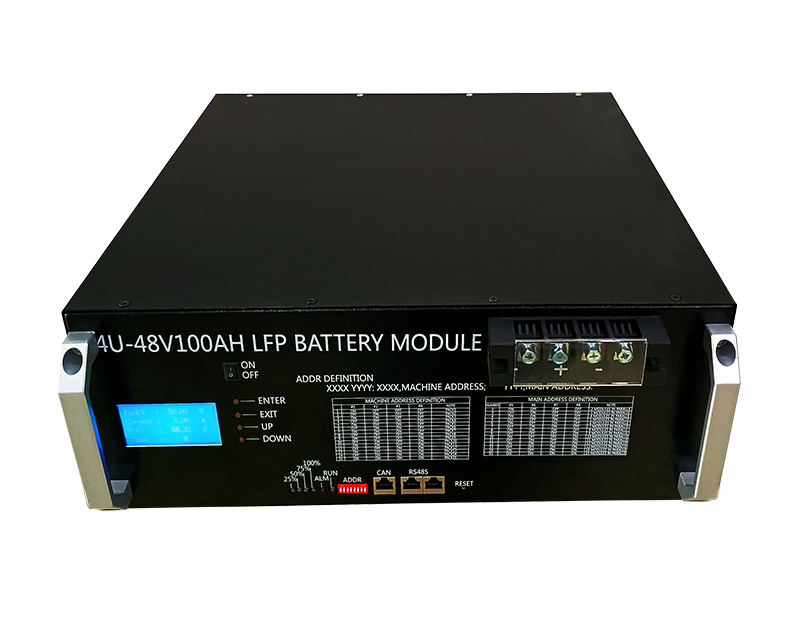
Identify the exact equipment combination
Compatibility should refer to specific battery and inverter models, firmware versions and configurations. A statement that a battery supports a familiar communication standard is insufficient. Ask both equipment parties which combinations have been assessed and which settings are required. Keep a record of the proposed system architecture, number of battery units and installation environment. This creates a clear basis for technical review and prevents a general compatibility claim from being interpreted as approval for every product within a brand's catalog.
Compare voltage and current limits
Check the battery's complete operating window against the inverter's battery input range. Review charging voltage, maximum charging current and allowable discharge demand with the qualified system designer. Consider whether protective thresholds and restart behavior can interact unexpectedly. An inverter may request more current than a battery configuration is intended to supply. A battery may also disconnect while the inverter still expects power. Resolve these conditions through the approved system design rather than relying on nominal voltage labels or matching terminal sizes.
Confirm the communication agreement
Where communication is required, obtain the approved protocol details, connector pinout, cable requirements and relevant firmware information. Identify which device controls charging and how limits are communicated. Ask what happens if data becomes unavailable or inconsistent. Any fallback mode should be explicitly permitted for the combination; it should not be assumed. During commissioning, verify that the system displays sensible voltage, current, temperature and status information. A successful physical connection is only one step in demonstrating that the devices understand each other correctly.
Review expansion and service behavior
Ask whether additional batteries may be installed later and under which conditions. Model, age, state of charge, firmware and wiring arrangements can matter to expansion, so use the manufacturer's approved procedure. Define how a unit is isolated for service and what the remaining system may do during that time. Include storage, shutdown and restart instructions in the handover documentation. The installation should be accessible to qualified service personnel without depending on undocumented settings or knowledge held only by the original installer.
Require a documented commissioning result
Record the final equipment identities, settings and operating tests. Include charging, discharging, expected load transitions and the approved response to relevant faults. Keep supporting manuals and model-specific documentation available for maintenance. If the inverter, battery firmware or number of units changes, review the compatibility basis before assuming the previous result still applies. For a Jetray storage inquiry, provide the intended inverter and installation requirements early so the supplier can confirm the proposed configuration or identify information still needed for evaluation.
Bring these points into the inquiry.
Use the checklist to organize a project discussion, then request the exact model specification, drawing and relevant evidence.
| Review point | Information to agree with the supplier |
|---|---|
| Build a load schedule | Separate average energy demand from peak power and include conversion losses in the system review. |
| Check electrical integration | Confirm inverter or charger compatibility, voltage limits, communication and protection requirements. |
| Document installation conditions | Review mounting, ventilation, isolation, cable protection and local installation requirements with qualified professionals. |
Sources & further reading
- Jetray energy storage category listed in catalog ↗
- PKNERGY example of a model-specific storage pack specification ↗
AI-assisted procurement education. Confirm project-specific limits, documentation and suitability with the responsible supplier and product team.
Prepared for the energy storage batteries collection. General engineering guidance does not replace a model-specific datasheet or application validation. Source review: 4 November 2026.