The practical answer.
An AC load switch being off does not mean the whole storage system is consuming no power. The inverter, controls and connected DC accessories may remain active. Define the operating mode and observe energy across a known boundary before calling an overnight change battery self-discharge.
Distinguish waiting, sleeping and being isolated
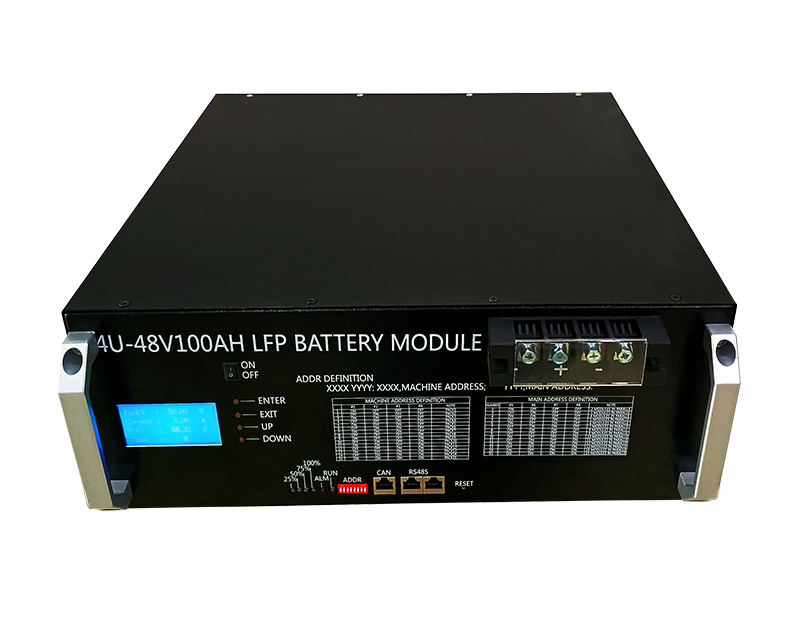
Begin with the actual operating state. The system may be maintaining AC output with no customer load, waiting in an energy-saving search mode, keeping only its controller awake, or being stored according to the manufacturer’s shutdown instructions. These states support different functions and should not share one standby specification. Record the switch positions, displayed mode and enabled remote services before comparing observations.
Do not open a live system to discover which parts are powered. Ask the qualified integrator to identify the permitted observation points and isolation procedure. A homeowner’s display screenshot is useful context, but the equipment identities and an approved single-line diagram make the observation interpretable.
Convert a small continuous demand into an energy budget
Use energy, not a snapshot current alone, to quantify the concern. In a hypothetical example, a constant 20W demand consumes 20 multiplied by 24, or 480Wh, in one day. A constant 8W demand consumes 192Wh. These are arithmetic examples, not the idle specification of any Jetray battery or inverter. Real demand may change as communications, temperature controls and device states change.
Decide which duration matters to the project: overnight, a weekend or an extended unattended period. Compare the cumulative consumption with the reserve that must remain available at the end. A loss acceptable for a continuously cycled installation may materially reduce the service expected from a small backup system that rarely operates.
Create a mode-by-mode observation sheet
Measure a stable, permitted mode over a documented period and log any automatic transitions. Record the energy meter location, start and finish times, ambient conditions, system state and whether grid or solar energy is entering elsewhere. Concurrent charging can conceal consumption if the observer looks only at net battery current.
A useful comparison changes one controlled condition at a time. Compare the normal waiting mode with a manufacturer-approved alternative, keeping the same measurement boundary. Use the manufacturer’s procedure and preserve the ability to supply the intended loads. The table is a planning record; it is not permission to disconnect equipment or alter protective settings.
| Record field | What makes the result usable |
|---|---|
| Mode | Normal inverter-on, approved search mode or approved storage state |
| Boundary | Battery-side input, AC supply or complete-system metering |
| Duration | Timestamped interval with interruptions marked |
| Energy | Wh over the interval and resulting average W |
| Events | Charging, wake-ups, fans, alarms and communication activity |
| Service check | Required load still operates under the selected mode |
Check whether the current measurement sees every branch
A shunt-based monitor counts only current passing through its measurement path. The cited Victron installation manual explicitly distinguishes the battery side from the system side and identifies branches that could be excluded. That principle is relevant to understanding a report, but the manual’s wiring diagram is specific to its equipment.
Request an as-installed measurement diagram from the integrator rather than applying a generic rewire instruction. An accessory outside the measured path can make the display look reassuring while the battery continues to supply it. Conversely, a separately powered controller may consume energy outside a battery-only boundary. Both observations can be correct when properly labeled.
Separate a fixed overhead from load-dependent conversion loss
Idle overhead and conversion loss are related but different. For a hypothetical 40W useful load with 20W of additional constant overhead, 60W is required before other losses, and the overhead represents one-third of that simplified input. The same 20W is much less significant beside a 1,000W useful load. Neither example predicts the performance curve of a real inverter.
This explains why a short high-power demonstration may not answer an overnight low-power question. Ask for the system behavior at the intended load range, including long periods near zero load. Record DC accessories separately when possible so the owner can decide whether they provide enough service to justify their continuing energy demand.
Evaluate energy-saving modes against the actual equipment
An energy-saving mode may periodically test for a load rather than maintain uninterrupted output. The Victron SUN Inverter manual describes that behavior and notes that suitable settings depend on load characteristics. This is an example of why a mode name alone does not establish suitability for a security device, modem or intermittently operating appliance.
Ask the integrator to demonstrate the intended load from its real idle state. Include equipment that starts electronically, draws very little current or wakes on a schedule. A reduction in waiting consumption is useful only if the installation still supplies the required service. Record wake-up behavior and any unsupported load rather than promising a universal energy saving.
Use a decision rule for an unexplained overnight change
If a change appears only in the displayed percentage, first compare the raw current and energy logs before calling it energy loss. If a measured Wh flow continues with customer loads off, identify permitted system loads and modes. If the battery is in an approved storage state, use the battery manufacturer’s storage and retention requirements to define the next investigation.
Give Jetray and the integrator the same event timeline, equipment identities, measurement boundary and observations. This is more productive than a message saying only that the battery dropped several percent. Preserve the original records before changing settings so the service team can distinguish a persistent consumption path from a one-off display correction.
Practical questions about standby consumption
Is overnight drain automatically battery self-discharge?
No. Connected equipment consumption, occasional wake-up events and a recalculated state-of-charge display can produce a similar observation. A controlled measurement is needed to distinguish them.
Can the inverter’s best efficiency figure predict idle loss?
No. Peak efficiency describes a stated operating condition and is not a measurement of waiting energy. Obtain idle or mode-specific data and verify the intended duty cycle.
What should a storage RFQ request?
Request the supported operating modes, the standby measurement boundary, observation conditions, required reserve after the waiting interval and a demonstration that essential loads still work. Keep the result distinct from the battery’s rated Ah capacity.
Sources & further reading
- Victron SUN Inverter manual: operating modes and load-dependent settings ↗
- Victron SmartShunt manual: measurement boundary and excluded current paths ↗
- Victron SmartShunt manual: current integration and synchronisation ↗
- Sandia LDES National Consortium: performance definitions and system boundary ↗
AI-assisted engineering and procurement education, checked against the cited original sources. Calculations and example data are illustrative, not Jetray test results. Use the approved battery and inverter instructions and qualified system personnel for installation or settings changes.
Prepared for the energy storage batteries collection. General engineering guidance does not replace a model-specific datasheet or application validation. Source review: 5 November 2026.