The practical answer.
Translate an outage requirement into a clear energy and power brief before choosing a battery and inverter combination.
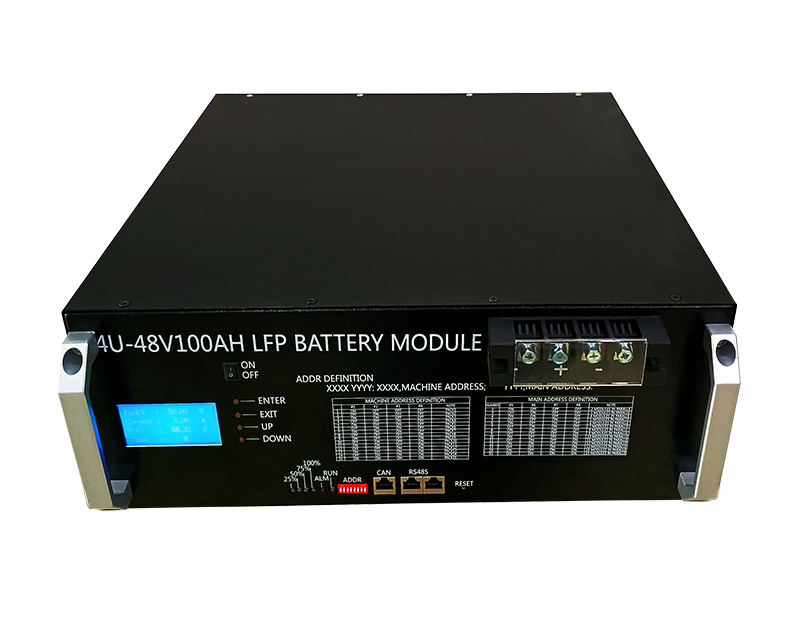
List the loads that must remain available
Begin a backup project by identifying essential equipment, its operating schedule and the required outage duration. Separate loads that must run continuously from loads that can be delayed or switched off. Record normal power consumption and startup demand where relevant. A measured load profile is more useful than adding the maximum nameplate values of unrelated devices. State the conditions under which the backup promise is expected to apply so that the design team can distinguish critical service requirements from optional convenience loads.
Calculate energy with explicit assumptions
As an illustrative example, a steady 200W critical load operating for five hours needs 1,000Wh at the load before system losses or reserve. The proposed battery capacity must account for the permitted usable range, conversion losses, environmental conditions and end-of-service requirement. This arithmetic is a planning method, not a product recommendation. Ask the system designer to document the assumptions used. A quoted battery capacity cannot be translated into a guaranteed backup duration without knowing the actual load and installed system behavior.
Check power capability separately
Energy determines how much work the storage system may support over time; power capability determines which loads it can operate at a given moment. Motors, compressors and other equipment may have startup demands that exceed their steady consumption. Confirm the inverter's relevant limits and the battery's allowable continuous and peak output under the intended conditions. The battery management system, wiring and protection design must be reviewed as part of the complete installation. A large energy figure does not automatically resolve a demanding startup event.
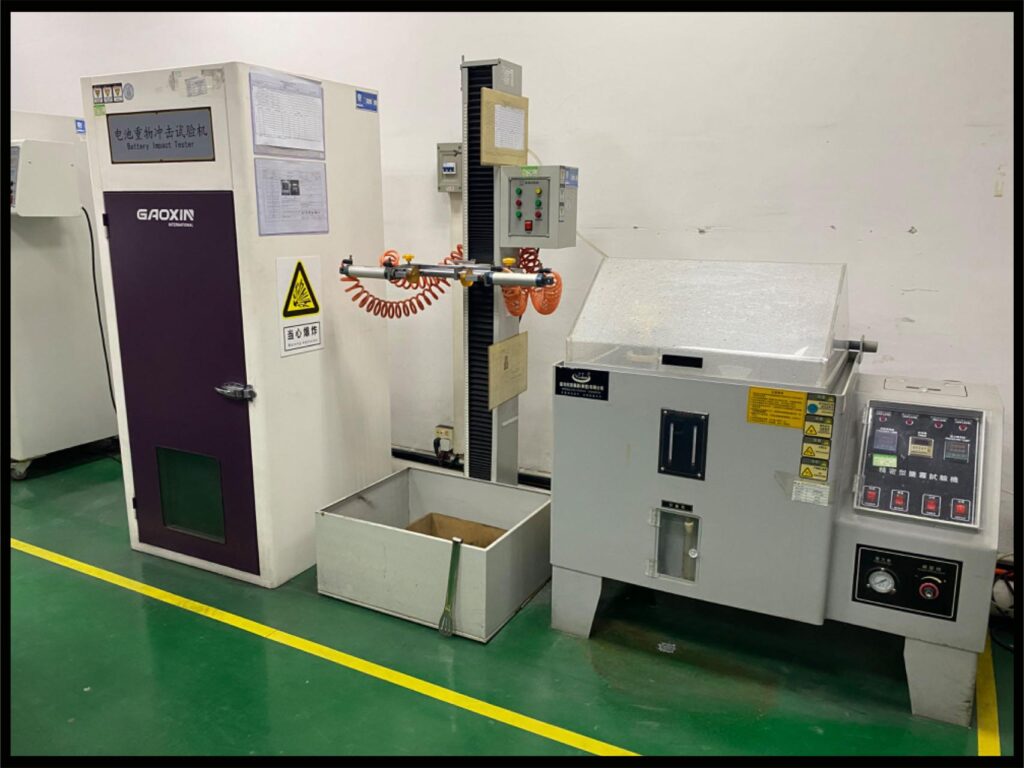
Verify interfaces and charging sources
Identify the inverter or charger model, operating voltage window and required communication. Naming a communication standard does not establish interoperability; the approved protocol and firmware combination matter. List all charging sources and how the system behaves after an outage, protective shutdown or extended storage period. Ask which battery configurations are approved for expansion or parallel operation. Electrical installation, isolation and protective arrangements should be designed and commissioned by qualified professionals using the applicable equipment instructions and destination requirements.
Write a commissioning acceptance plan
Define a representative load test, required backup time and acceptable shutdown behavior. Record the installed battery, inverter, firmware, settings and document revisions. Include the maintenance and replacement assumptions needed to preserve the intended service level. Jetray lists energy storage among its product categories, but any specific system configuration and performance claim require confirmation. A useful RFQ therefore combines the critical-load schedule with installation constraints and an agreed verification method, rather than asking only for a preferred nominal voltage or capacity.
Bring these points into the inquiry.
Use the checklist to organize a project discussion, then request the exact model specification, drawing and relevant evidence.
| Review point | Information to agree with the supplier |
|---|---|
| Build a load schedule | Separate average energy demand from peak power and include conversion losses in the system review. |
| Check electrical integration | Confirm inverter or charger compatibility, voltage limits, communication and protection requirements. |
| Document installation conditions | Review mounting, ventilation, isolation, cable protection and local installation requirements with qualified professionals. |
Sources & further reading
AI-assisted procurement education. Confirm project-specific limits, documentation and suitability with the responsible supplier and product team.
Prepared for the energy storage batteries collection. General engineering guidance does not replace a model-specific datasheet or application validation. Source review: 4 November 2026.