The practical answer.
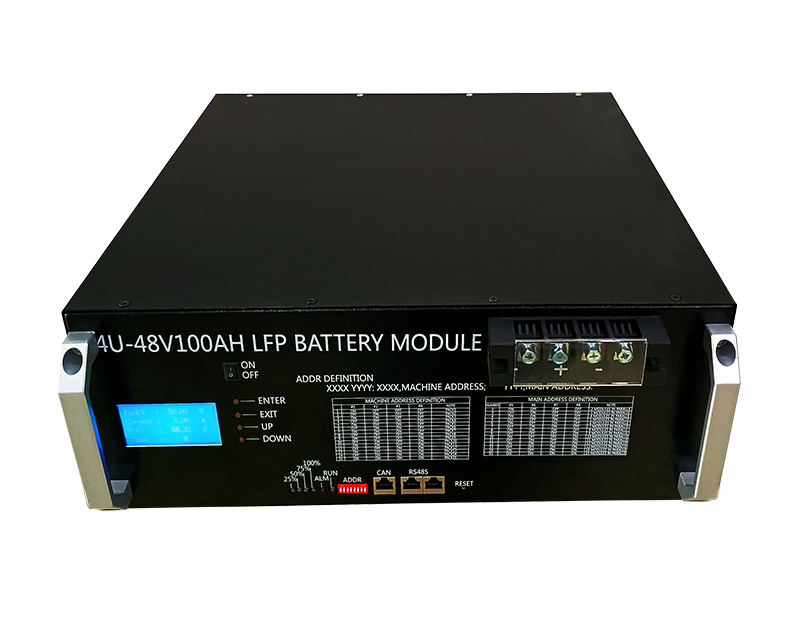
Compare storage proposals by usable energy, operating conditions, interfaces, documents and the included project scope.
Give suppliers the same project brief
A fair comparison starts before quotations arrive. Send each supplier the critical-load profile, required backup duration, inverter details, installation location, temperature expectations and expansion plans. State the destination market and requested delivery schedule. Distinguish mandatory requirements from preferences. If the installation is still being designed, label provisional assumptions clearly and ask suppliers to identify departures from the brief. This helps purchasing compare defined systems rather than several attractive but technically different packages presented under similar nominal capacity headings.
Normalize the performance definitions
Separate nominal energy from the usable energy allowed by the proposed operating limits. Ask for rated capacity conditions, continuous output, relevant peak limits, charge constraints and the expected shutdown behavior. Review any lifecycle claim against temperature, depth of discharge, rate and end-of-life threshold. Do not convert unlike test claims into a precise financial comparison. When evidence is missing, mark the item as unresolved. A lower price per nominal kilowatt-hour may not represent a lower cost for the required installed service.
List the complete supplied scope
Identify whether each offer includes enclosure, battery management, communication cables, mounting items, accessories and commissioning support. Ask which installation work remains with the buyer or local contractor. Record dimensions, weight and access requirements so logistics and installation are evaluated before ordering. Separately list development, testing, documentation, freight and other project charges where applicable. A clear scope avoids comparing a bare battery module with a more complete system as though the unit prices covered the same responsibilities.
Review documents and commercial conditions
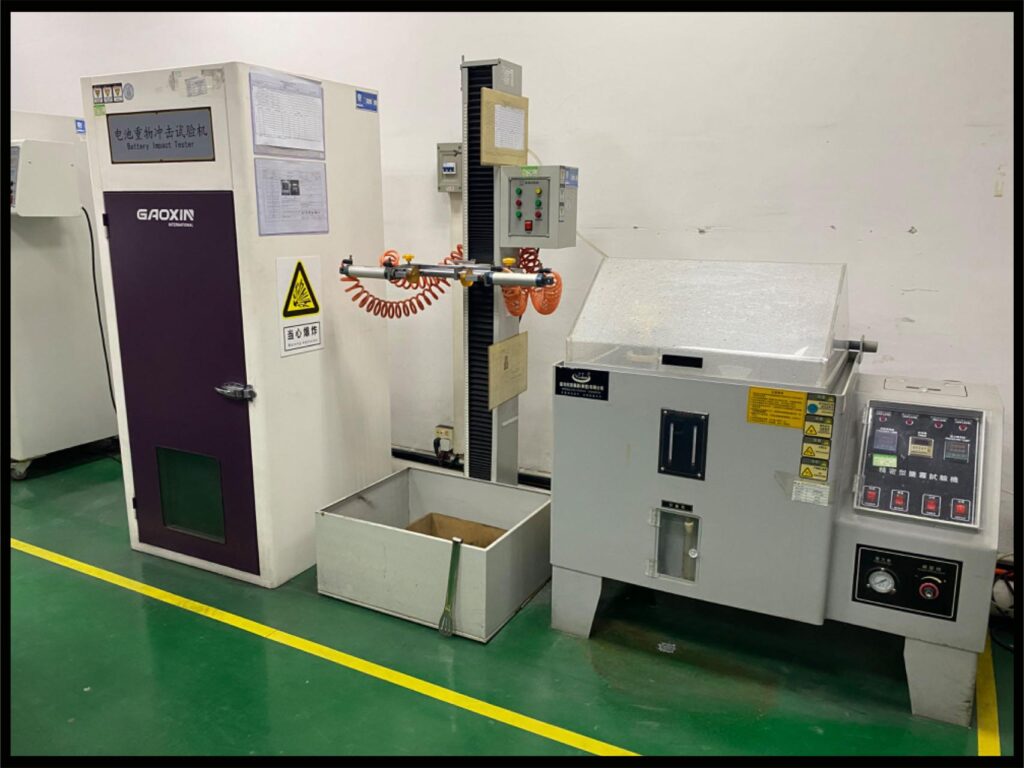
Ask for the model specification, compatible equipment information, installation instructions and documents relevant to the intended market and shipment. Confirm the scope of reports and certificates with competent specialists. Keep warranty duration, covered conditions, exclusions and service process distinct from performance claims. Ask how replacements, firmware support and proposed component changes will be handled. These details affect ownership and maintenance, but they should be obtained from the actual quotation and agreement rather than inferred from a general marketing page.
Score unresolved risks before selecting
Use a comparison sheet with columns for confirmed, proposed and unverified information. Link each critical requirement to evidence or a planned test. Include a sample or commissioning acceptance plan and identify who owns each open issue. Purchasing can then weigh price against the integration effort and uncertainty that remain. Jetray's catalog is a starting point for discussing storage products; the final decision should use current project-specific information and a configuration that the responsible system parties have explicitly reviewed. Keep the final comparison with the accepted quotation so installation and service teams understand the assumptions behind the purchase.
Bring these points into the inquiry.
Use the checklist to organize a project discussion, then request the exact model specification, drawing and relevant evidence.
| Review point | Information to agree with the supplier |
|---|---|
| Build a load schedule | Separate average energy demand from peak power and include conversion losses in the system review. |
| Check electrical integration | Confirm inverter or charger compatibility, voltage limits, communication and protection requirements. |
| Document installation conditions | Review mounting, ventilation, isolation, cable protection and local installation requirements with qualified professionals. |
Sources & further reading
AI-assisted procurement education. Confirm project-specific limits, documentation and suitability with the responsible supplier and product team.
Prepared for the energy storage batteries collection. General engineering guidance does not replace a model-specific datasheet or application validation. Source review: 4 November 2026.